SC Water Heater Services — tank & tankless help across South CarolinaGreenville · Spartanburg · Anderson & more
(844) 791-1083
Home › Water Heater Installation
New Installs & Replacements · South Carolina

Water Heater Installation in South Carolina

A new water heater is a ten-year decision installed in a day. Whether it is a first install, a planned replacement before the old tank fails, or a swap after it already did — describe the home and get connected with a professional who installs tank water heaters across South Carolina.

Phone only — no forms. How calling this number works

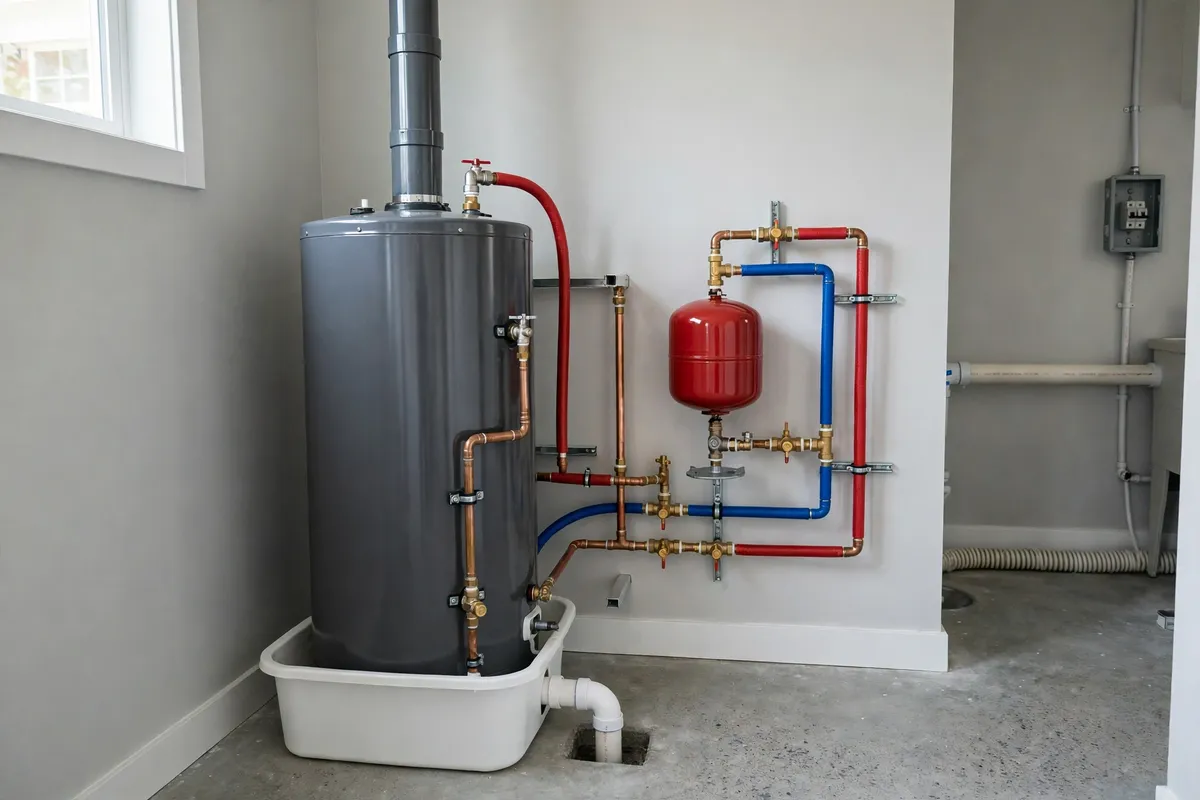
New tank water heater being installed in a South Carolina home — SC Water Heater Services
Quick Answer

Water heater installation in South Carolina — this page covers both doors into the same job: a first-time installation (a new setup, a conversion, an added unit) and a replacement (an existing tank coming out, a new one going in its place). Most calls are replacements, and the quality of the job is decided long before the tank is lit: sizing, fuel and venting checks, and the unglamorous parts — drain pan, expansion tank, shutoffs. Call (844) 791-1083 and describe your current unit.

What Decides The Job

Six choices that decide the next ten years

The tank itself is the easy part. These six decisions around it decide how the next decade of hot water goes.

Size

Gallons That Match Demand

Forty, fifty or seventy-five gallons is household math — people, bathrooms and the morning peak. Professionals size by first-hour rating against your busiest hour, not by what the old tank happened to be.

Fuel

Gas, Electric, Propane

What the home already runs usually leads, because switching fuels adds venting or electrical work to the job. Staying with the existing fuel keeps a replacement simple; switching is a project worth planning.

Venting

Gas Units Breathe

Atmospheric, power-vent and direct-vent units are not interchangeable — the new tank’s venting has to match the home’s flue reality. A wrong vent match is a safety item, not a detail.

Location & Pan

Where It Sits Decides The Risk

Garage, attic and closet installs carry different leak consequences, and the drain pan plus its drain route are sized to that. Attic installs deserve the most careful version of this conversation.

Expansion & Pressure

The Quiet Life-Extenders

On modern closed plumbing systems, an expansion tank protects the new heater — and the home’s other fixtures — from pressure swings. Healthy water pressure is checked as part of a proper install.

Code & Permit

The Paper Part

Many South Carolina cities and counties require a permit, and sometimes an inspection, for a water heater install — and details like T&P discharge routing and, near the coast’s seismic zone, strapping are part of doing it properly.

Replacement Day

What a proper replacement actually includes

Swapping the tank is the middle of the job, not the whole of it:

!

Drain & disconnect

The old tank is drained safely and its fuel — gas or electric — isolated before anything is unhooked.

!

Removal

The old unit comes out. Confirm beforehand what happens to it, so it is not sitting in your garage afterward.

!

Set & connect

The new tank is leveled on its pan; water, fuel and venting connected; expansion tank and new shutoffs fitted.

!

Fill, fire & check

The tank is filled before power or gas is restored — a dry-fired element dies in seconds — then connections are leak-checked and temperature set, conventionally around 120°F.

If a quote sounds like it is only for the tank itself, ask what else is included — pan, expansion, shutoffs, permit and haul-away are where honest quotes differ. Describe your current unit when you call: (844) 791-1083.

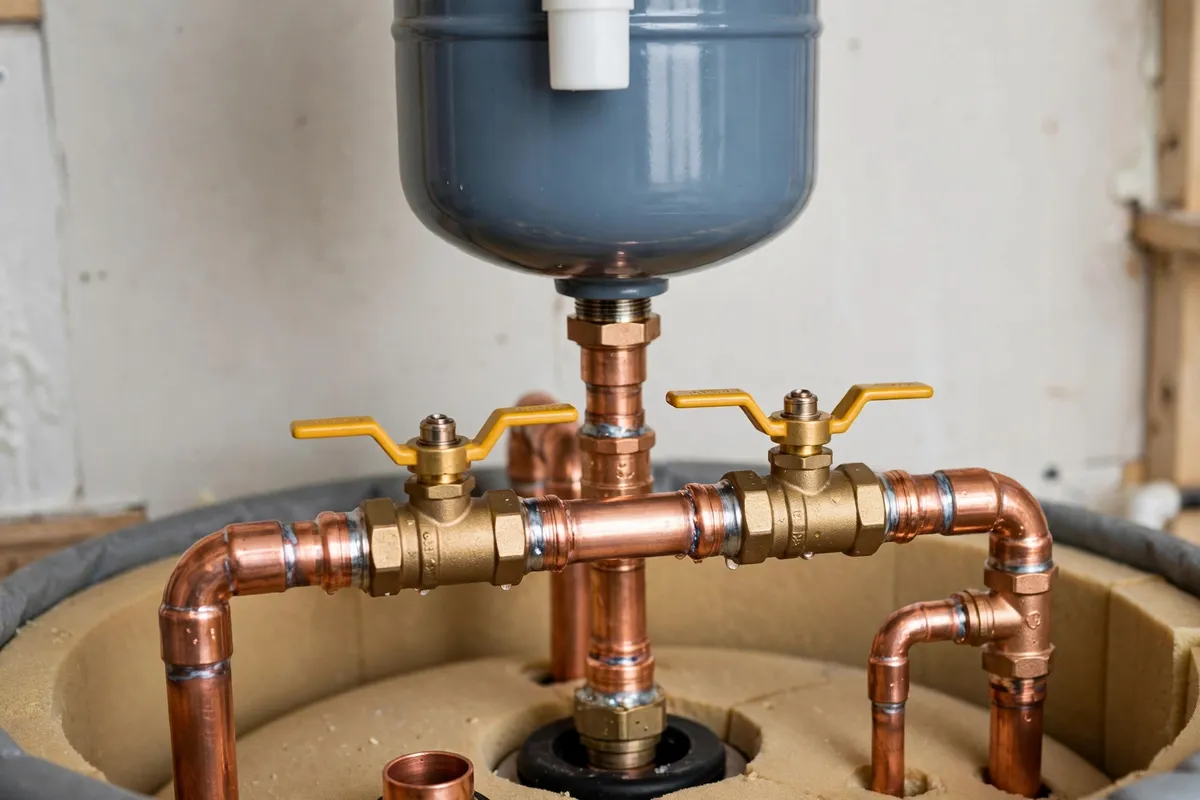
New copper connections and expansion tank on a water heater install in South Carolina — SC Water Heater Services
The fittings around the tank — expansion tank, shutoffs, a proper pan — are where a careful install shows itself.
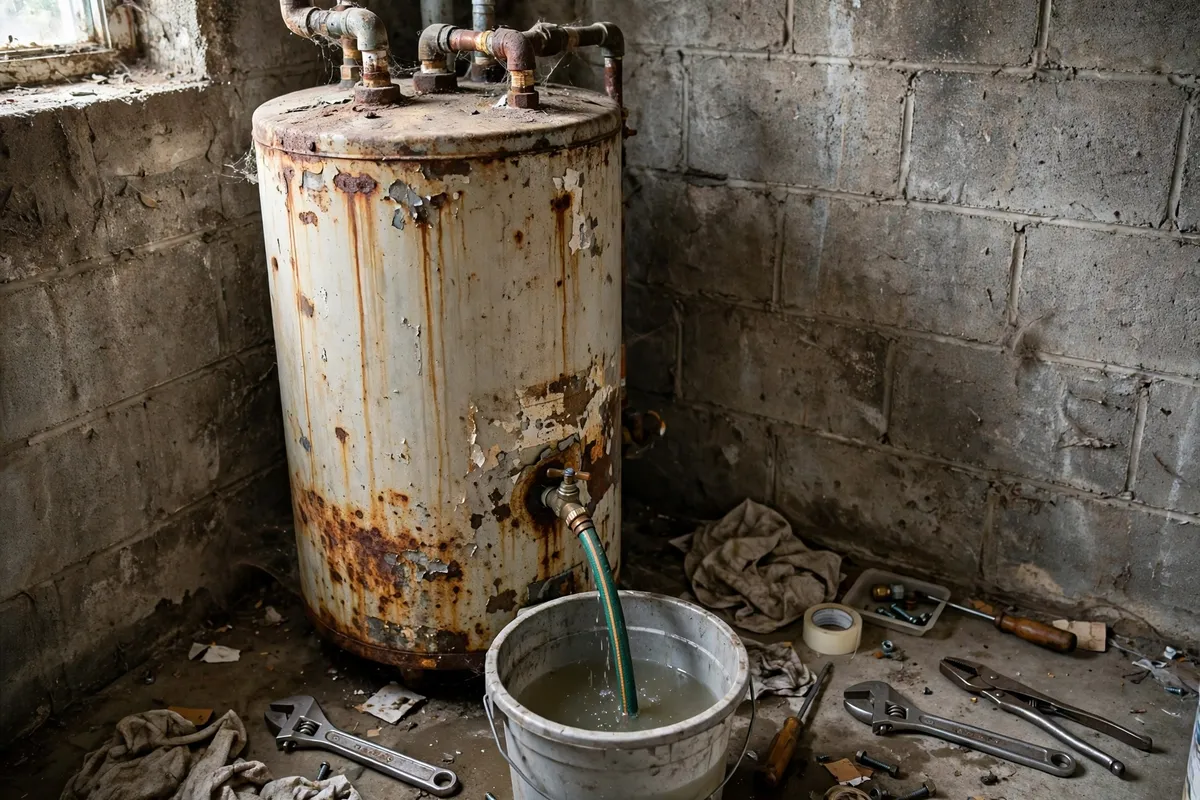
Old water heater being drained before replacement in South Carolina — SC Water Heater Services
Timing

Replacing before it fails vs. after

A planned replacement is a different experience from an emergency one. Planned, you choose: the size, the fuel, possibly the switch to tankless, and a day that suits the household. The signs that the planned window is open are consistent — the tank is past ten years old, rust is showing at the base or in the water, rumbling has started, or repairs are beginning to stack up.

After a failure, speed matters and choices narrow to what fits the space and can be installed now — which is still a perfectly normal job, just a less leisurely one. Either way, the work itself is the same careful sequence. The only genuinely bad timing is the leak that was watched for months: water damage costs more than any tank.

How An Install Runs

From first call to hot water

1

You describe the home

Current unit — size, fuel, age — where it sits, and whether this is planned or the old one has already failed.

2

Scope in writing

Unit, fittings, permit handling and old-unit removal agreed before the work starts.

3

Install day

Old out, new in, connected, filled and checked — with the safety parts fitted, not promised.

4

Walkthrough

Your shutoffs, T&P valve, temperature setting and the maintenance rhythm pointed out before the professional leaves.

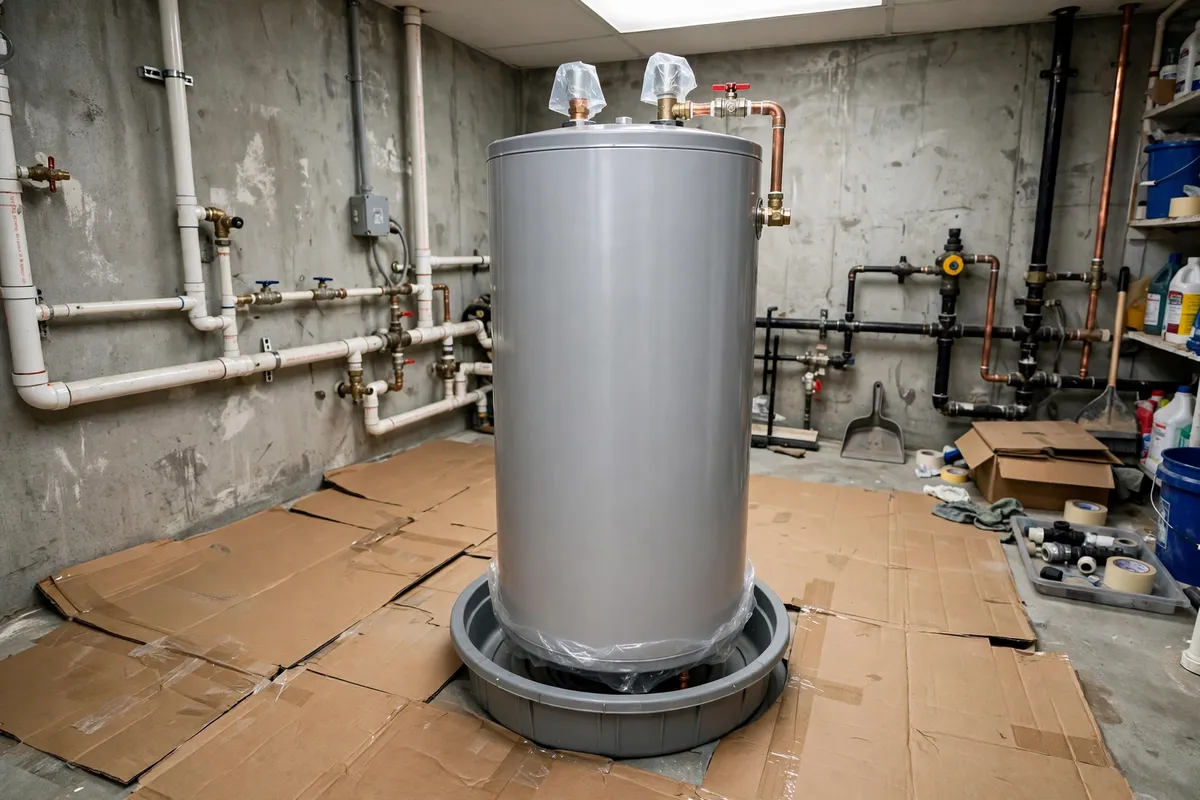
Finished water heater installation with drain pan in South Carolina — SC Water Heater Services

Repair instead? Sometimes the tank has years left

If the tank body is dry and sound and the fault is an element, thermostat, valve or igniter, repair is often the smarter spend — the tank repair page covers that side. Ask the professional for the honest comparison between fixing yours and replacing it; a good one will show you the tank’s condition and give you both sides of the line.

Coverage

Installation & replacement across South Carolina

Installs run statewide through local professionals — the same network behind this site’s city hub pages. If your town has a hub page, the local detail lives there; if not, one call still reaches a professional who covers your ZIP.

Installation FAQs

Installation & replacement questions, answered

Is there a difference between installation and replacement?+
Same core job, two doors in. ‘Installation’ is a unit going into a new or changed setup; ‘replacement’ is swapping an existing unit for a new one. The work, the checks and the pitfalls are shared — which is why this page covers both, and why most professionals use the words interchangeably.
How do I know it is replacement time, not another repair?+
The vessel decides. A tank body that leaks or shows rust through, rusty water that a flush and anode change do not clear, or an age past ten to twelve years with faults stacking up — those say replacement. Parts failing on a dry, sound tank say repair. The professional’s inspection separates the two, and you should be shown what they see.
What size water heater does my home need?+
Professionals size by first-hour rating — how much hot water the tank can deliver in the busiest hour — against your household: people, bathrooms, and whether showers, laundry and the dishwasher collide. Have the household and bathroom count ready when you call; it makes the sizing conversation exact.
Do I need a permit to replace a water heater in South Carolina?+
Many SC cities and counties require a permit for a water heater install, and some require an inspection afterward — the rules vary by jurisdiction. Ask the professional who handles it, and make sure permit handling is part of the written scope rather than an assumption.
Can I switch from gas to electric, or the other way?+
Yes, but it changes the job from a swap to a small project: a new electrical circuit one way, or a gas line and venting the other. Homeowners make the switch for fuel availability, a planned electrification, or because a tankless conversion is on the table. The assessment prices the two paths honestly before you choose.
What should I ask on the call before agreeing to anything?+
Ask for the full estimate for your exact setup, the scope in writing (unit, fittings, permit, old-unit removal), the warranty terms for unit and labor, and who confirms the professional’s license and insurance — which you should always do directly. A professional who answers those plainly on the first call is the one you want in your home.
New tank — planned or urgent, start with one call.

Tell us the size, fuel and state of your current unit. We will connect you with a professional who installs water heaters in your part of South Carolina.

Call (844) 791-1083
Call (844) 791-1083