SC Water Heater Services — tank & tankless help across South CarolinaGreenville · Spartanburg · Anderson & more
(844) 791-1083
Home › Tankless Water Heater Installation
New Installs & Conversions · South Carolina

Tankless Water Heater Installation in South Carolina

Switching from a tank, or putting tankless into a home that has never had it — a tankless install is a system job, not a swap: gas supply, venting, condensate and sizing all have to be right together. Describe your home and get connected with a professional who installs tankless across South Carolina.

Phone only — no forms. How calling this number works

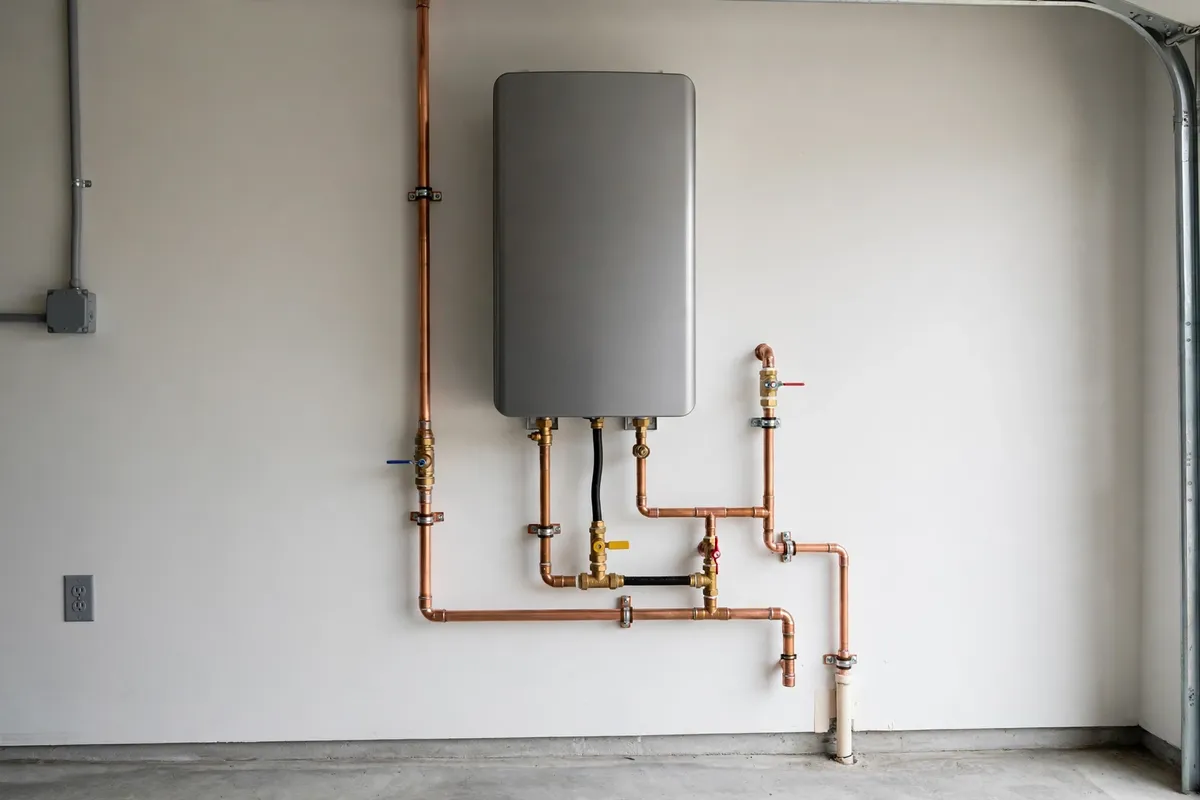
Tankless water heater being installed on a wall in South Carolina — SC Water Heater Services
Quick Answer

Tankless water heater installation in South Carolina covers first-time installs, tank-to-tankless conversions and like-for-like tankless swaps, statewide. The difference between a unit that runs quietly for fifteen years and one that throws codes from the first month is almost never the unit — it is the installation: a right-sized gas line, correct venting, managed condensate. Call (844) 791-1083, describe your home and your current setup, and get matched with a professional who installs tankless systems.

What Decides The Job

Six things every tankless install has to get right

A tankless unit is only as good as the system built around it. These six are where installs succeed or quietly fail.

Sizing

Flow, Not Gallons

Tankless is sized by simultaneous demand — gallons per minute at South Carolina’s winter inlet temperatures. Undersize it and the third shower goes cold; the sizing math belongs before the purchase, not after.

Gas Supply

The Line Is The Limit

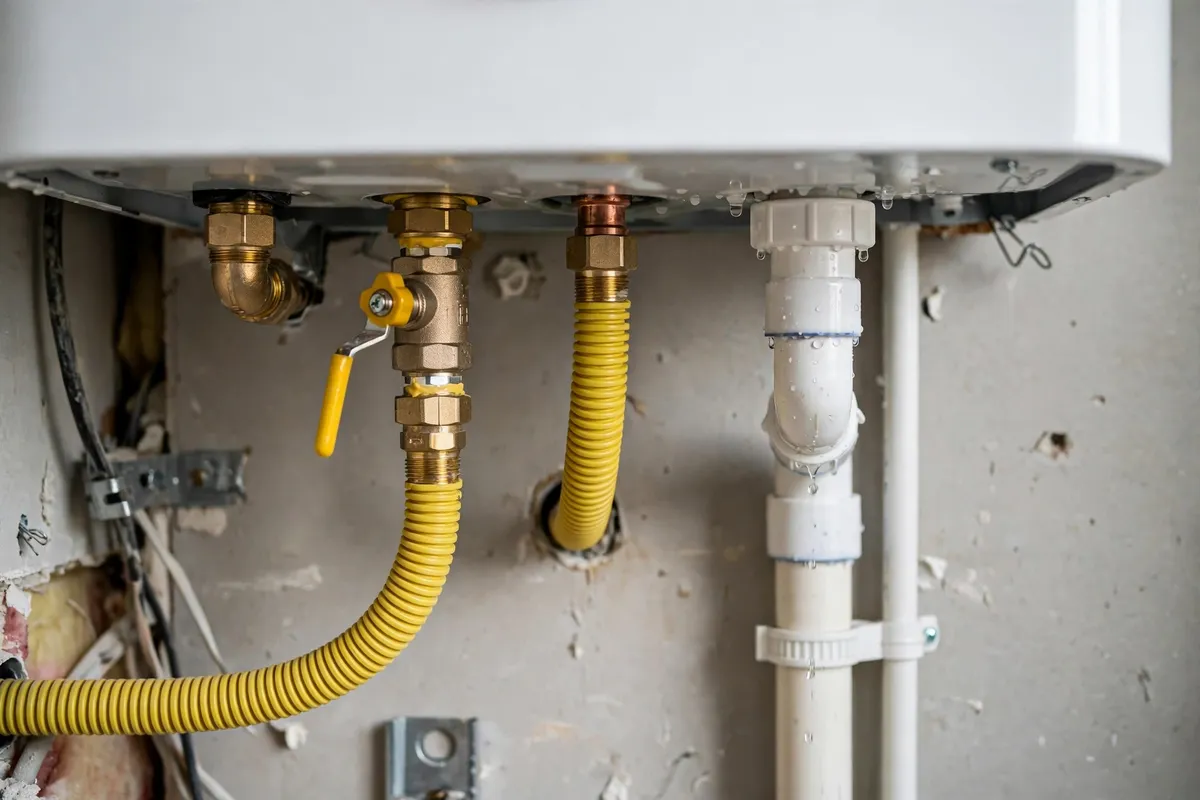
A tankless burner draws far more gas at full fire than the tank it usually replaces. If the existing line and meter cannot feed it, the unit can never perform — line sizing is the install.

Venting

Short, Sealed, Correct

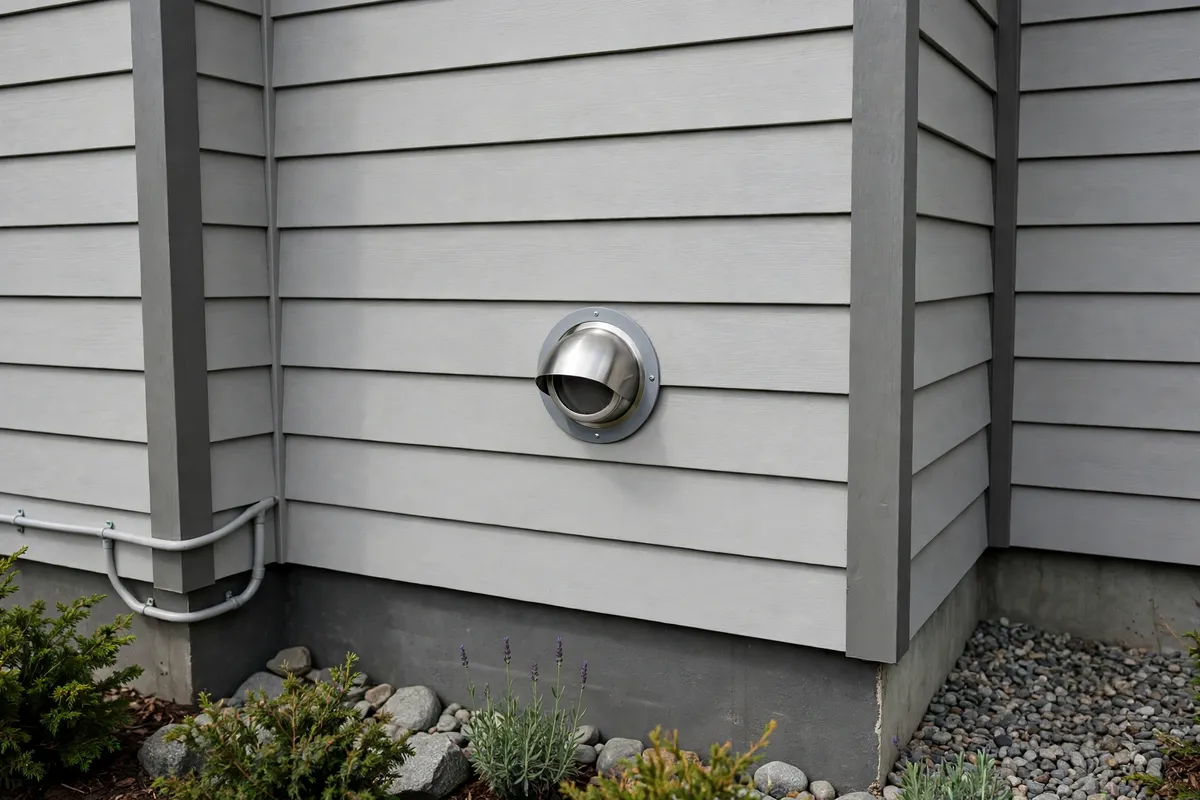
Modern condensing units vent through the wall or roof in sealed pipe. Route, length and termination decide safety, efficiency and whether the unit codes on windy days.

Condensate

New Water To Manage

Condensing tankless units produce acidic condensate as they run. It needs a planned drain route — and often a neutralizer — which tank homes have never needed before.

Water Quality

Install The Maintenance

Isolation valves and service ports fitted at install time are what make the yearly descale a twenty-minute job instead of a project. In harder-water pockets, add a protection plan from day one.

Placement

Inside, Outside, Attic?

South Carolina’s winters allow exterior installs in much of the state with freeze protection fitted. Placement trades vent length, noise, service access and exposure — it is a decision, not a default.

Before The Unit Goes On The Wall

The assessment that prevents the callbacks

A proper tankless quote starts with the house, not the catalogue:

!

Demand count

Bathrooms, fixtures and honest simultaneous use — the number the size is chosen from.

!

Gas audit

Meter capacity and line sizing measured against the unit’s full-fire draw, not guessed from the old tank’s line.

!

Vent & drain route

The shortest legal route for exhaust, and a workable path for condensate, agreed before mounting.

!

Water check

Hardness and any existing filtration decide the scale-protection plan baked into the install.

Every one of these is cheaper to settle before the unit is bought than after it is mounted. When you call — (844) 791-1083 — the details that matter most are your current setup, your fuel, and how many bathrooms the home runs.

New tankless water heater vent termination installed in South Carolina — SC Water Heater Services
Venting decides more tankless installs than the name on the box does — route and termination are part of the job, not an afterthought.
Gas line and condensate drain being fitted to a tankless water heater in South Carolina — SC Water Heater Services
The Conversion

Tank to tankless: what actually changes

A conversion is not a like-for-like swap, and any quote that treats it as one is missing work. The old tank comes out — then the gas line is commonly upsized, a new vent route replaces the old flue (which usually cannot be reused), a condensate drain is added where none existed, and the unit needs an electrical outlet for its controls and fan.

What stays familiar: the water lines tie in near the old location in most homes. What you get back: the floor space the tank stood on, an end to keeping a tank of water hot around the clock, hot water that does not run out mid-household, and a system whose service life runs fifteen to twenty years when the yearly flush is kept.

How An Install Runs

From first call to first shower

1

You describe the home

Current setup, fuel type, household size, and where the existing unit sits. That decides who gets your call.

2

Assessment & written scope

Sizing, gas, venting and drains checked at the home; the agreed scope in writing before work starts.

3

Install day

Old unit out if converting, new gas line, vent and drain run, unit mounted, connected and sealed.

4

Commissioning

Gas pressure, temperature rise and flow tested fixture by fixture; controls, filter and the flushing rhythm shown to you before the professional leaves.

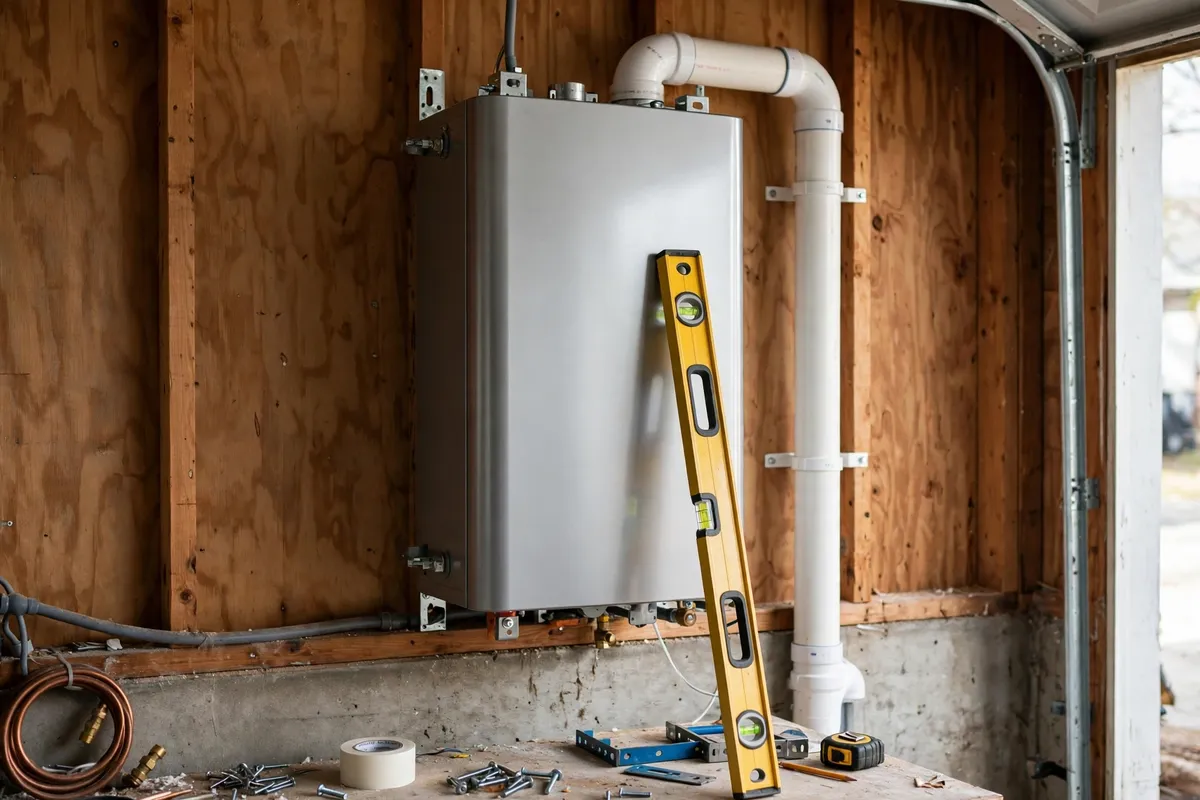
Finished tankless water heater installation in a South Carolina garage — SC Water Heater Services

Replacing a tankless that died?

A like-for-like tankless swap is the simplest install there is — same fuel, similar vent pattern and connections when the new model matches the old. Where it does not match, it becomes a small conversion, which is still routine. Have the old unit’s brand and model ready when you call, and if the old unit’s fault might be repairable, the tankless repair page covers that side first.

Coverage

Tankless installation across South Carolina

Installs run statewide through local professionals — the same network behind this site’s city hub pages, from the Upstate to the Lowcountry. Start with the statewide pages here, or find your city on the service areas page.

Installation FAQs

Tankless installation questions, answered

Can any home switch from a tank to tankless?+
Most can. The deciding factors are gas supply (or electrical capacity for electric models), a legal vent route and somewhere for condensate to drain. The assessment exists to answer exactly this for your home — most installs are straightforward; a few homes need a gas or panel upgrade first, and it is better to know that before the unit is bought.
Does a tankless install need a bigger gas line?+
Often, yes. A tankless burner at full fire draws several times the gas of a tank burner, and the existing line was sized for the tank. A proper install measures the line and meter rather than assuming — an undersized gas line is the single most common cause of ‘the new unit underperforms’ calls.
Where can a tankless unit be installed?+
Interior walls, garages and utility spaces are standard. In much of South Carolina, exterior wall mounting is also common thanks to the mild winters — with freeze protection fitted as part of the install. The right spot trades vent length, service access and noise, and the professional will walk the options at your home.
How long does a tankless installation take?+
A swap of an existing tankless unit is the quickest version. A tank-to-tankless conversion carries the gas, venting and drain work and commonly runs a full day. The professional will set the expectation for your home before starting, once the assessment is done.
What should I get in writing before the install?+
The agreed scope: the unit’s model and size, the gas, venting and drain work included, permit handling, the warranty terms for the unit and the labor, and what happens with the old unit. The call is also the natural place to discuss the full estimate — ask the professional directly, so the number you plan around is the real one.
Is electric tankless an option in South Carolina?+
For point-of-use and smaller-demand homes, yes. Whole-home electric tankless needs very high amperage and often an electrical panel upgrade, which is why gas and propane dominate whole-home installs here. The assessment weighs your actual service size against your demand before anyone recommends a direction.
Ready to go tankless — or replace the one that died?

Tell us about your home and your current setup. We will connect you with a professional who installs tankless water heaters in your part of South Carolina.

Call (844) 791-1083
Call (844) 791-1083